Drug rehab in Virginia
Finding drug rehab in Virginia starts with a clear picture of your options. The state has 247 SAMHSA-listed facilities, from medical detox to weekly outpatient counseling. This guide explains each level of care before you decide anything.
Rehab centers across Virginia
Virginia's listed treatment centers cluster unevenly, with 18 in Richmond, 12 in Arlington, 11 in Winchester, and 9 each in Roanoke and Lynchburg. Virginia Beach and Norfolk each list 6, and Fredericksburg lists 6. The 9 rehab facilities in Lynchburg and Roanoke make southwest Virginia more accessible than its rural counties, but travel is still part of the plan for many families. If you live far from the 8 Virginia Beach facilities, then telehealth is worth asking about, since 207 listed programs offer it.

Overdose data and what it means locally
Provisional CDC figures show 1,212 overdose deaths in Virginia during the 12 months ending May 2026, down 9 percent from 1,339 the prior year. Opioids were involved in 796 of those deaths and fentanyl in 669, an 18 percent drop. Heroin deaths fell to 38 from 95, a 60 percent decline, reflecting a shift toward fentanyl and other synthetic opioids.
The numbers are moving in a hopeful direction, but 1,212 deaths still mean roughly three families a day. The 282 methamphetamine deaths and 462 cocaine deaths show that stimulants remain a serious local risk, not just opioids. If you have overdosed before, then carrying naloxone and telling a provider is a practical first step, because prior overdose is one of the strongest risk factors.
| Drug | Past year | Previous year | Shift |
|---|---|---|---|
| All drug overdoses | 1,212 | 1,339 | -9% |
| Opioids overall | 796 | 943 | -16% |
| Fentanyl and synthetic opioids | 669 | 820 | -18% |
| Heroin | 38 | 95 | -60% |
| Opioid pain relievers by prescription | 116 | 135 | -14% |
| Methamphetamine (meth) | 282 | 321 | -12% |
| Cocaine | 462 | 509 | -9% |
Frequently chosen facilities in Virginia
-
RichmondVA
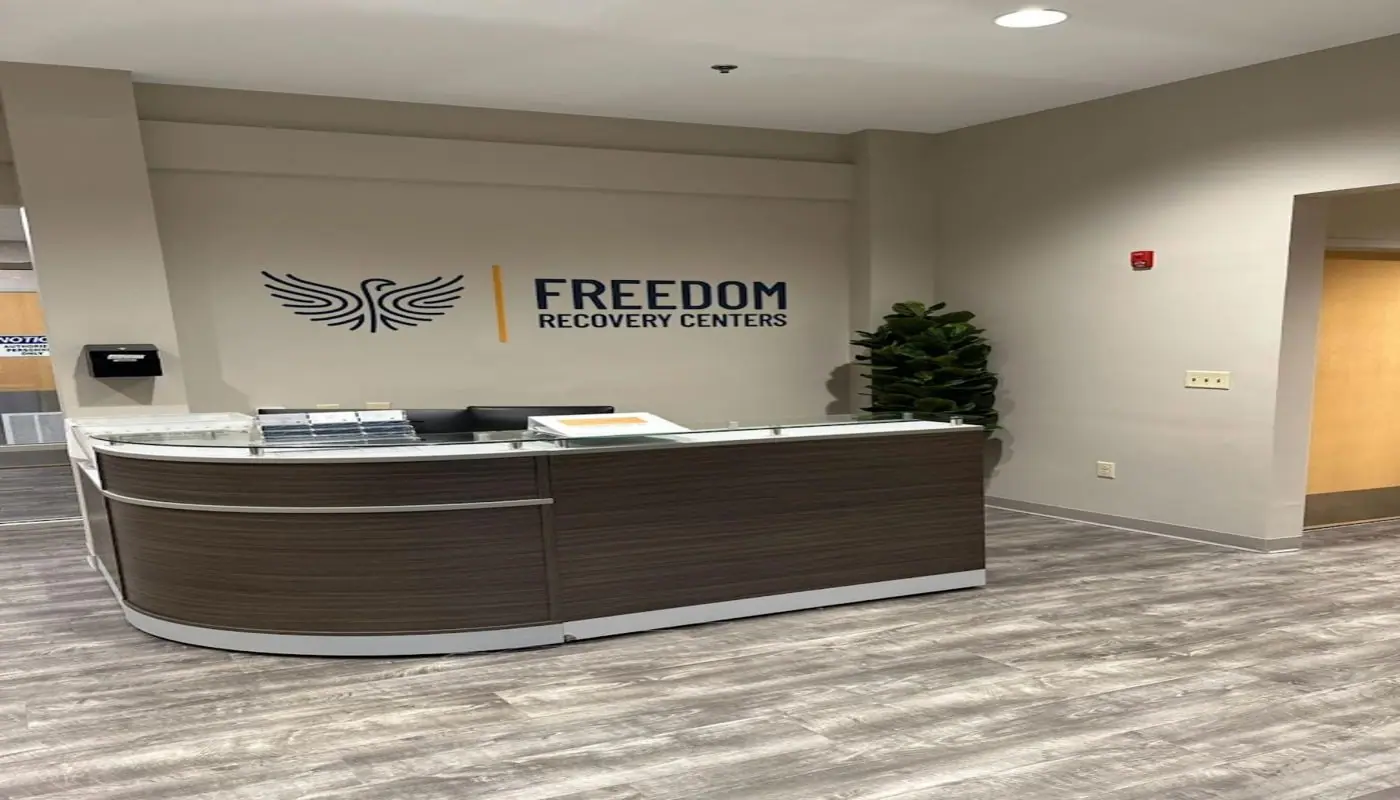
Freedom Recovery Centers
4.7/570 Google reviews
Typical stay 90 days
Freedom Recovery Centers is a detox and residential program on Gateway Centre Parkway in Richmond.
- Residential Rehab
- Detox
-
WestVA
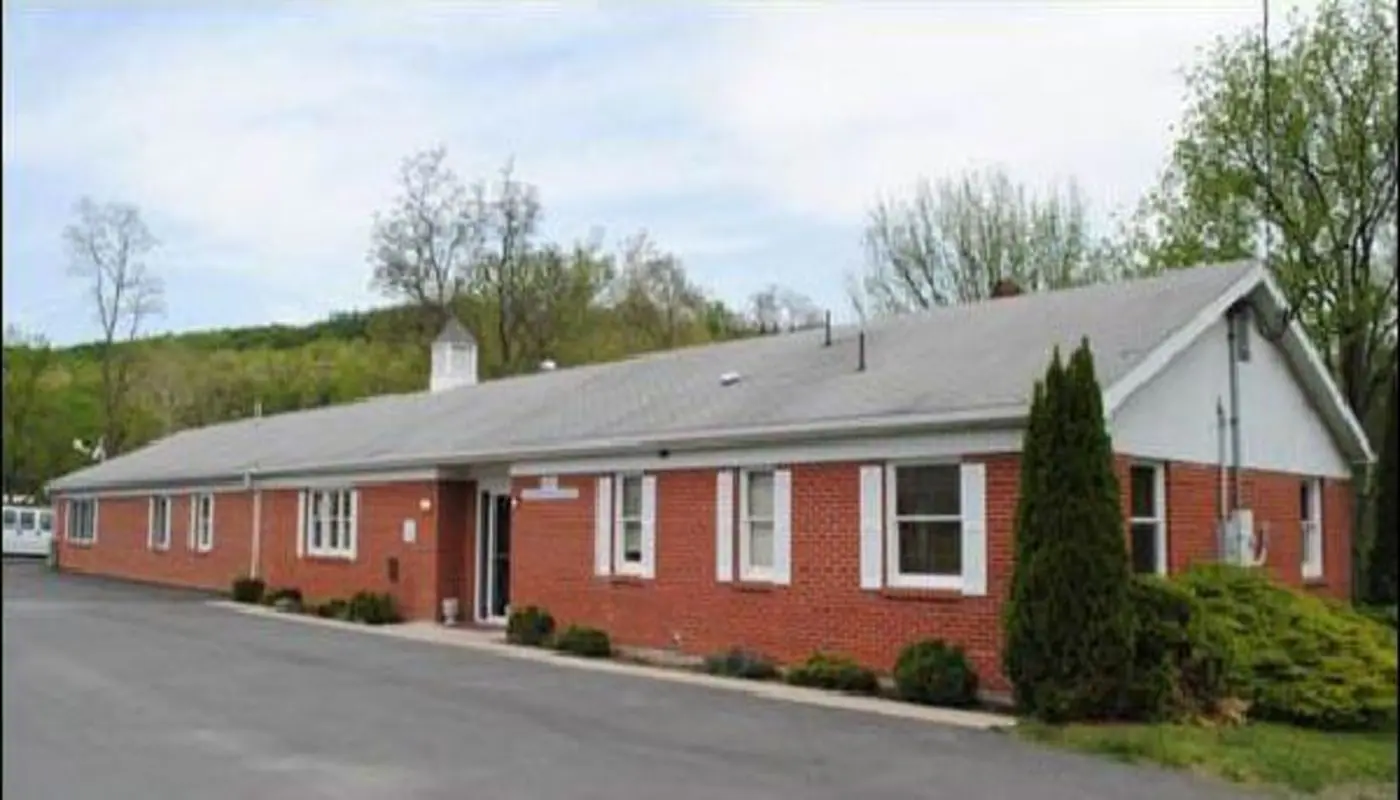
Burlington United Methodist Fam Servs
Typical stay 30 days
Burlington United Methodist Fam Servs West is a residential program for young people in West, Virginia.
- Co-Occurring Mental Health
- Residential Rehab
-
ArlingtonVA
National Capital Treatment & Recovery
3.5/522 Google reviews
Typical stay 30 days
On Columbia Pike, National Capital Treatment & Recovery Arlington operates a residential program.
- Co-Occurring Mental Health
- Residential Rehab
- Detox
-
RichmondVA
Sobright Recovery
Typical stay 30+ days
Located in Richmond, Virginia, Sobright Recovery Richmond is an outpatient center for addiction treatment.
- Outpatient
Joint Commission View center
-
ChantillyVA
Fairfax/Falls Church Comm Servs Board
5.0/515 Google reviews
Typical stay 30 days
Fairfax/Falls Church Comm Servs Board Chantilly is a public behavioral health site on Walney Road.
- Co-Occurring Mental Health
- Residential Rehab
- Detox
-
Great FallsVA
AMFM Mental Health Treatment
Typical stay 60 days6-15 beds
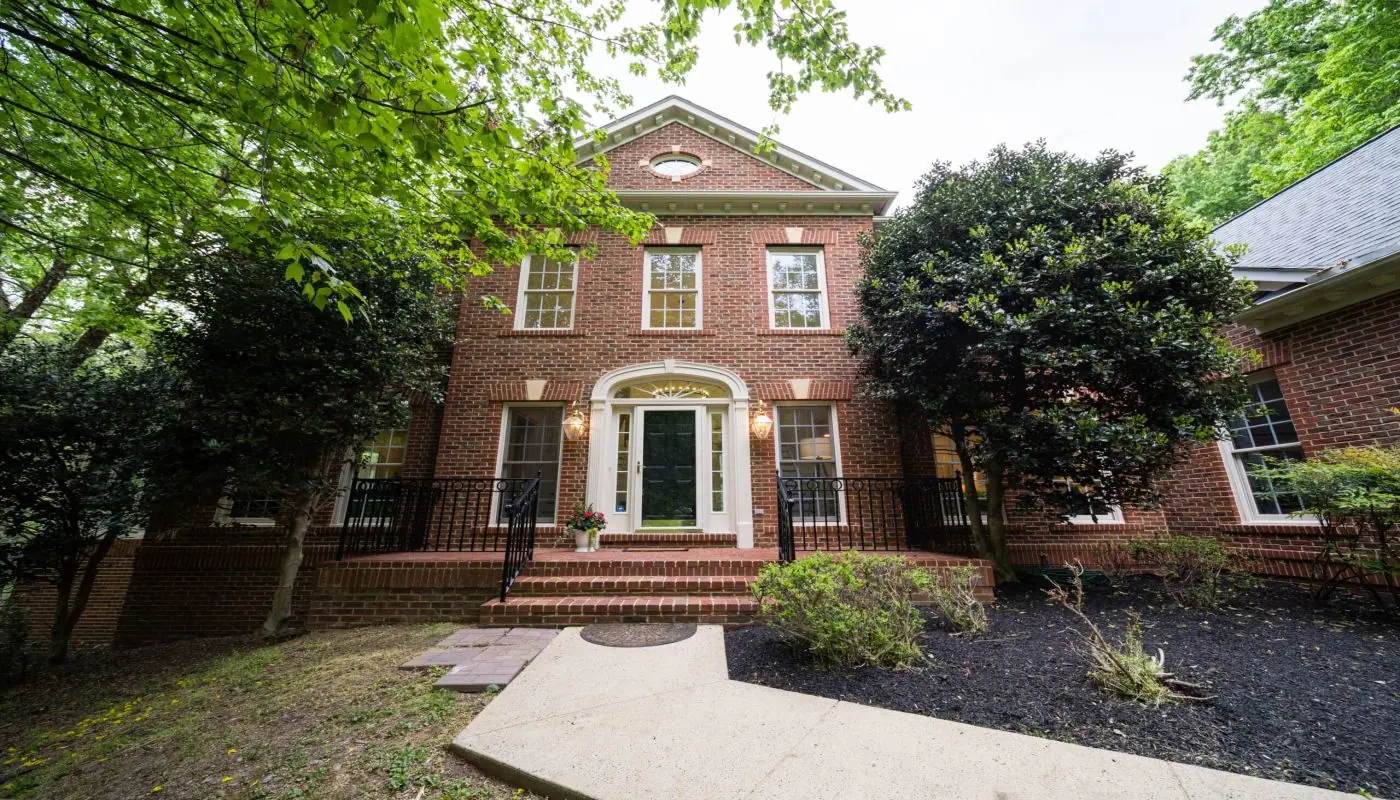
AMFM Mental Health Treatment is a residential mental health program located in Great Falls, Virginia.
- Co-Occurring Mental Health
- Residential Rehab
Joint Commission View center
What happens when you call the helpline
Trained advisors connected to state-licensed providers throughout Virginia answer the helpline at any hour. They do not diagnose and are not clinicians, but they can check Medicaid or insurance eligibility, explain levels of care, and arrange a referral. The call is free and private, and you are never required to enter treatment.
Expect a few basic questions: which substance is involved, how long it has been used, whether any withdrawal symptoms are showing, and what insurance or payment method you have. Should you be unsure whether detox is needed, mention it on the call and an advisor will walk through what a facility would ask. You can hang up whenever you like. Nothing is promised about admission or coverage, since the provider and your insurer make those calls.

Paying for rehab in Virginia
Among the Virginia facilities listed, 220 take Medicaid, and because the state adopted Medicaid expansion in 2021, more adults qualify here than in states that did not expand. Private insurance is accepted at 228 facilities, Medicare at 167, and TRICARE at 174. With employer coverage, the federal parity law requires mental health and substance use benefits be handled no more restrictively than medical benefits, though confirming what your plan covers is still worthwhile.
Cost is often the reason people delay a call, so ask early. A free helpline can check which of the 79 sliding-fee facilities or 53 facilities offering financial assistance fit your income. If a program does not accept Medicaid or your plan, then a referral to one that does saves you from paying out of pocket. No facility in the state received a no-fee designation in the latest listings, so free care usually means a grant-funded slot or a Medicaid-covered service.
- take Medicaid
- 220
- take private insurance
- 228
- take Medicare
- 167
- use a sliding fee scale
- 79
Levels of care in Virginia
Care in Virginia is arranged across several levels, and 50 facilities offer medical detox, 44 provide residential rehab, while 211 offer some form of outpatient care. The appropriate level hinges on how long someone has been using, which substance is involved, and how much help is available at home. Anyone who has worked intake would agree: placement is a clinical decision rather than a preference, and it may shift as treatment goes on.
The 211 outpatient rehab programs in Virginia span weekly counseling to intensive daily groups, and 100 facilities provide intensive outpatient care for those who need structure while living at home. When withdrawal needs 24/7 monitoring, start with the 50 facilities with medical detox; ending alcohol and benzodiazepine use can be risky hence medical staff should oversee the process. Someone stable who needs housing plus daily groups will hear about the 44 residential rehabs and the 46 partial hospitalization programs.

Alcohol and drug treatment in Virginia
Alcohol use disorder treatment is available at 165 facilities offering medications such as naltrexone or acamprosate, and 34 are opioid treatment programs that dispense methadone. Buprenorphine is offered at 186 listed sites and naltrexone at 170. Medications are one part of treatment, not a replacement for counseling, and a clinician decides what fits.
For someone who drinks heavily every day, stopping suddenly without medical supervision can be dangerous, which is why detox is handled as a step apart from counseling. Opiate and fentanyl treatment usually combines medication with outpatient groups, while cocaine and methamphetamine treatment relies on behavioral therapies. Dual diagnosis care matters too: programs treating dual diagnosis care alongside substance use offer a fuller picture.

- 1
Call and describe the situation
An advisor starts by asking what substance is involved, how long it has been used, and whether withdrawal symptoms are present. That conversation takes roughly ten minutes and helps point toward the right level of care.
- 2
Check coverage and cost
The advisor verifies whether Medicaid, Medicare, or private insurance is accepted and whether you qualify for a sliding-fee spot at one of the 79 listed facilities. No diagnosis is made during this step.
- 3
Match to a level of care
Detox, residential, PHP, IOP, or outpatient is suggested based on clinical need, not preference. The advisor explains what each setting is like so you know what to expect.
- 4
Connect with a provider
A warm handoff to a licensed program follows, along with a plan for what to bring and when to arrive. Admission depends on the provider's clinical assessment, not the helpline.
Common questions
Does Medicaid cover drug rehab in Virginia?
Yes, 220 of Virginia's 247 SAMHSA-listed facilities accept Medicaid, which covers detox, residential, and outpatient treatment for eligible adults. Because Virginia expanded Medicaid, more low-income adults qualify than before. Eligibility depends on income and household size. The helpline can check whether you qualify and refer you to a listed program that accepts your coverage.
How much does detox cost in Virginia?
Cost differs by facility and setting, and the listings do not provide prices. Among Virginia's total programs, 79 offer sliding-fee scales and 53 offer financial assistance, which can lower the cost; 50 facilities in the state provide detox. Medicaid and private insurance often cover medically supervised detox. Ask each program for a written estimate before you commit.
How long does drug rehab last in Virginia?
Length depends on the level of care. Medical detox typically lasts several days, residential rehab often runs 28 days or longer, and outpatient programs can continue for weeks or months. The 100 intensive outpatient programs in Virginia often serve as step-down care after residential treatment. Your provider will recommend a duration based on clinical need, not a fixed package.
Can I get free addiction treatment in Virginia?
No facility in the current listings received a no-fee designation, but 128 programs receive federal block grant funding that supports reduced-cost care. Medicaid is accepted at 220 facilities, which is the most common path to low-cost treatment. Sliding-fee spots exist at 79 programs. If cost is a barrier, say so on the first call and ask about grant-funded slots.
Where can I find inpatient rehab in Virginia?
Inpatient and residential rehab is available at 44 listed facilities across Virginia, with the largest clusters in Richmond, Arlington, and Winchester. Hospital-based programs add 17 more sites. Inpatient care suits people who need 24-hour structure or medical monitoring during withdrawal. An advisor can narrow the list by insurance, location, and the substances the program treats.
Does Virginia offer addiction treatment through telehealth?
Yes, 207 of the 247 listed facilities offer telehealth, which matters for rural parts of the state far from the 18 Richmond programs. Telehealth can cover counseling, medication management, and follow-up visits. It does not replace medical detox, which requires an in-person setting. Ask whether the provider is licensed in Virginia and whether your insurance covers virtual visits.