AMFM mental health treatment Fairfax Station
AMFM Mental Health Treatment Fairfax Station is a small residential program for adults. It has Joint Commission accreditation and has served patients since 2011. This page covers who it serves and how to ask about fit.
Joint CommissionCo-Occurring Mental HealthResidential Rehab60 days
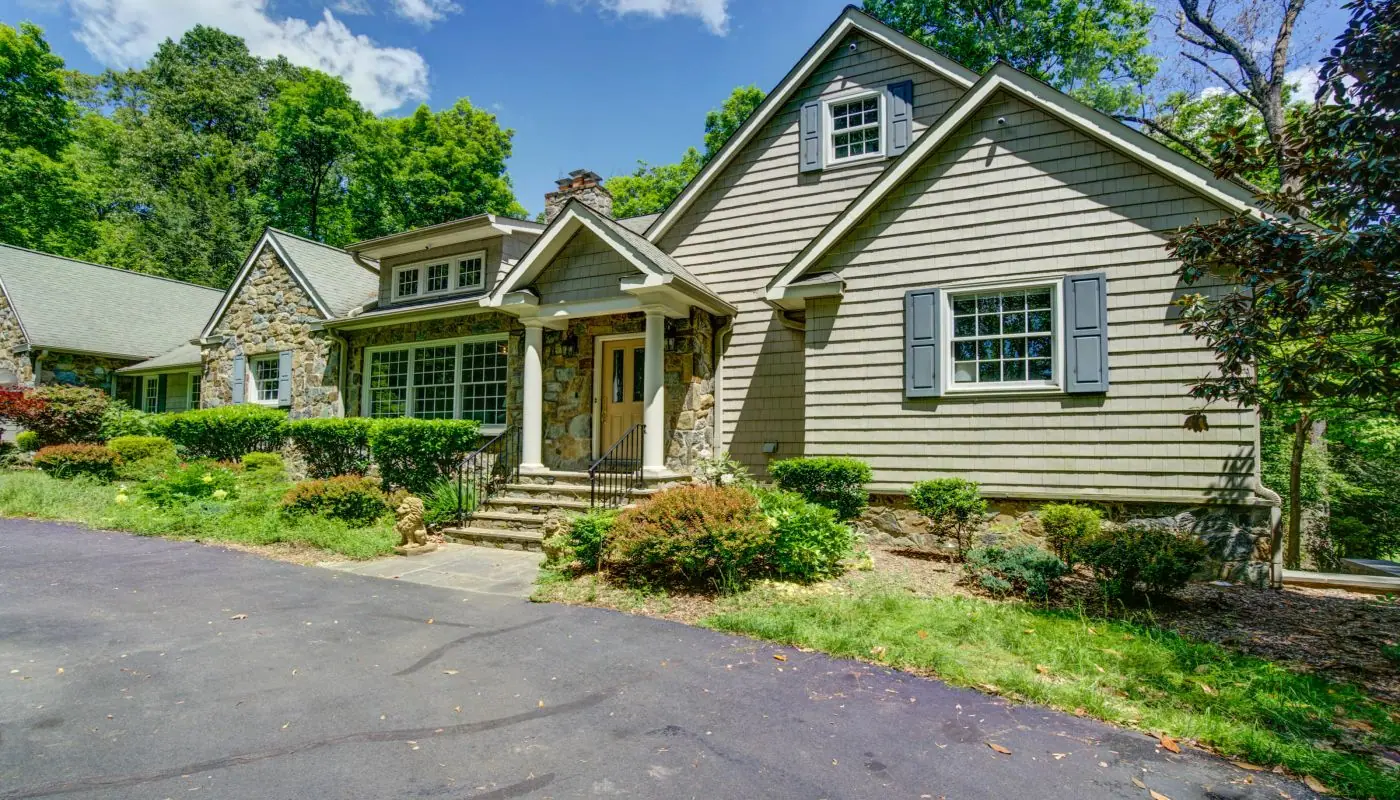
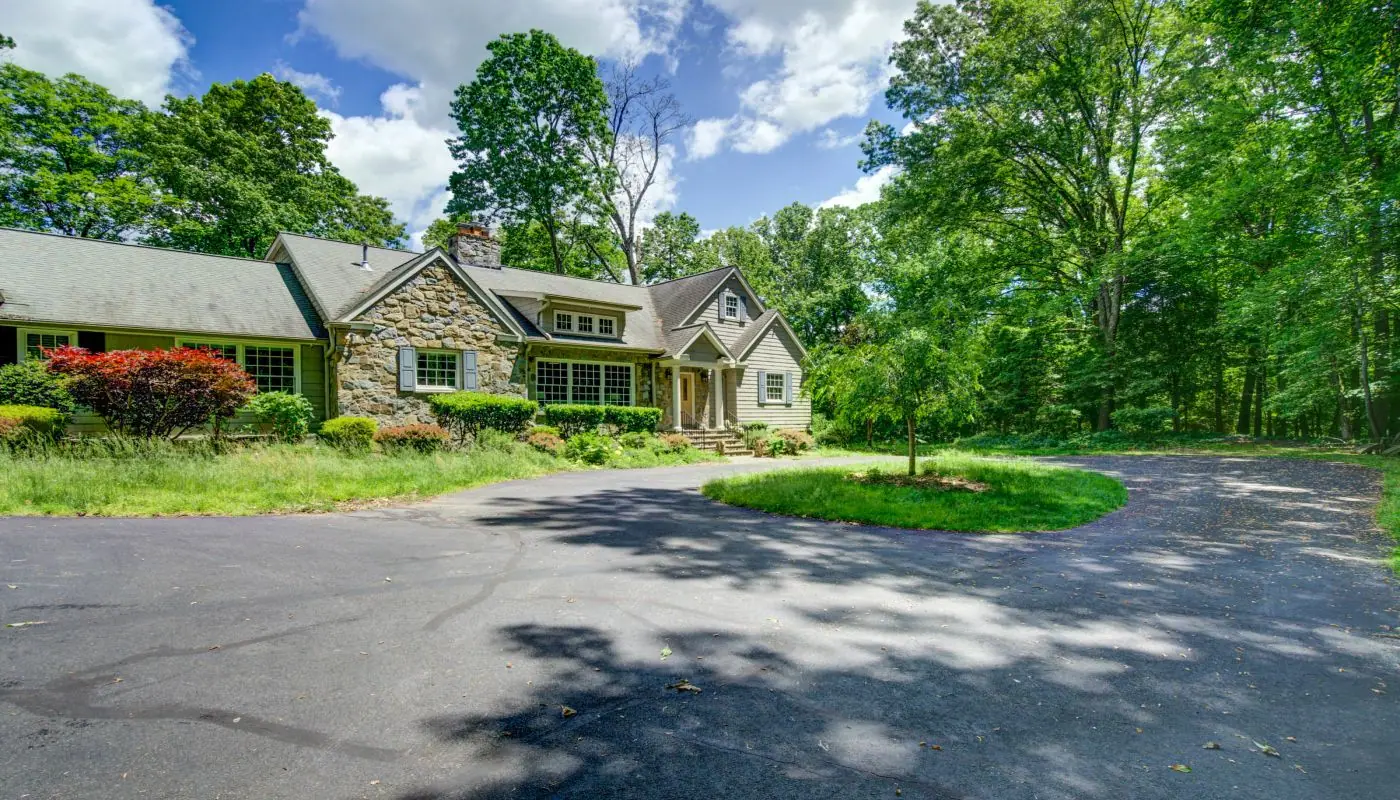
AMFM Mental Health Treatment runs a small residential program in Fairfax Station, Virginia, built around primary mental health care rather than substance use treatment alone. The setting is designed to feel calm and homelike, and the team keeps the group small so each person gets steady attention from clinicians and staff across the day.
The program starts with a thorough evaluation of symptoms, history, current difficulties and strengths. From that picture, the clinical team writes an individual plan and pairs it with structured therapy, medication management when it is clinically indicated, and family involvement. Co-occurring challenges are treated alongside the primary mental health concern rather than set aside.
Daily life blends clinical work with wellness: chef-prepared meals, time outdoors, fitness and yoga, and shared spaces for therapy and rest. The approach assumes that steady routines and good food support the clinical work rather than compete with it.
Care levels and therapies offered here
This center offers residential rehabilitation that also addresses co-occurring mental health concerns, so people stay on site while keeping to a complete clinical schedule. Roughly 60 hours of programming each week covers medication management, individual counseling sessions, family therapy once a week, and case management. A psychiatric provider meets with each client weekly.
Therapy options include acceptance and commitment therapy, cognitive behavioral therapy, equine therapy, art therapy, narrative therapy, group therapy, one-on-one counseling, stress management and solution-focused work. The program calls itself evidence-based, trauma-informed and medical, with family involvement built in. If an evaluation leads a clinician to recommend a different level of care, the plan should reflect that rather than a fixed track.
- Cognitive Behavioral Therapy
- Trauma Informed
- Stress Management
- Family Involvement
- Equine Therapy
- 1-on-1 Counseling
- Group Therapy
- Art Therapy
- Narrative Therapy
- Acceptance and Commitment Therapy (ACT)
Who this Virginia program is built for
- Adults navigating anxiety, depression or trauma who want a residential setting
- Individuals with substance use and mental health concerns occurring together
- Executives, professionals and midlife adults stepping away for focused care
- Veterans, LGBTQ+ adults, men and women, and young adults
- People with OCD, grief and loss, perinatal mental health needs or schizophrenia
- Those who need closer support around suicidality than outpatient care provides
Stay length, setting, and spoken languages
That Fairfax Station residence has 6-15 beds available and usually lasts roughly 60 days, featuring private and semi-private rooms, shared bathrooms, desks, air conditioning and housekeeping. On-site amenities cover meals made by a chef, a fitness center, a theater, a recreation room, an outdoor lounge, walking trails and nearby nature. Programming includes physical fitness and yoga, and all services are offered in English.
- Theater
- Fitness Center
- Walking Trails
- Access to Nature
- Chef-prepared Meals
- Outdoor Lounge
- Recreation Room
Funding treatment at this center
Cash pay prices appear as a private pay option at this center. Coverage through insurance isn't verified here, so contact the center directly to confirm your plan and any out-of-pocket cost before committing. Our helpline can help you look into coverage as well; calling it is free and doesn't obligate you to enroll.
Questions to ask before admission
- Does my insurance plan cover residential mental health care here, and what will I owe?
- Each week, how many one-on-one therapy sessions will I receive?
- How is medication management handled, and who prescribes?
- What does the aftercare plan look like when the 60 days end?
- Can my family join the weekly family therapy sessions?
Compare with other centers
-
RichmondVA
Freedom Recovery Centers
4.7/570 Google reviews
Typical stay 90 days
Freedom Recovery Centers is a detox and residential program on Gateway Centre Parkway in Richmond.
- Residential Rehab
- Detox
-
WestVA
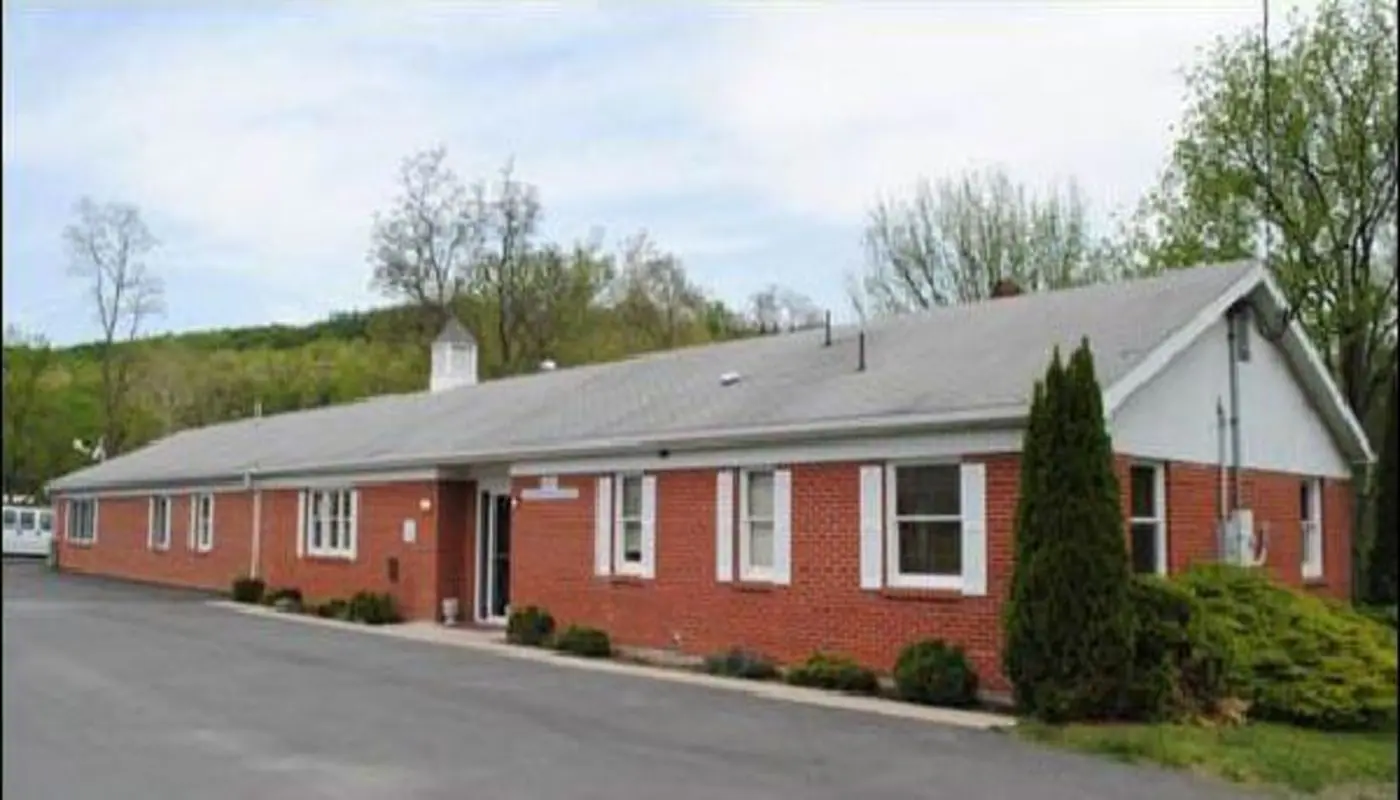
Burlington United Methodist Fam Servs
Typical stay 30 days
Burlington United Methodist Fam Servs West is a residential program for young people in West, Virginia.
- Co-Occurring Mental Health
- Residential Rehab
-
ArlingtonVA
National Capital Treatment & Recovery
3.5/522 Google reviews
Typical stay 30 days
On Columbia Pike, National Capital Treatment & Recovery Arlington operates a residential program.
- Co-Occurring Mental Health
- Residential Rehab
- Detox
-
RichmondVA
Sobright Recovery
Typical stay 30+ days
Located in Richmond, Virginia, Sobright Recovery Richmond is an outpatient center for addiction treatment.
- Outpatient
Joint Commission View center
-
ChantillyVA
Fairfax/Falls Church Comm Servs Board
5.0/515 Google reviews
Typical stay 30 days
Fairfax/Falls Church Comm Servs Board Chantilly is a public behavioral health site on Walney Road.
- Co-Occurring Mental Health
- Residential Rehab
- Detox
-
Great FallsVA
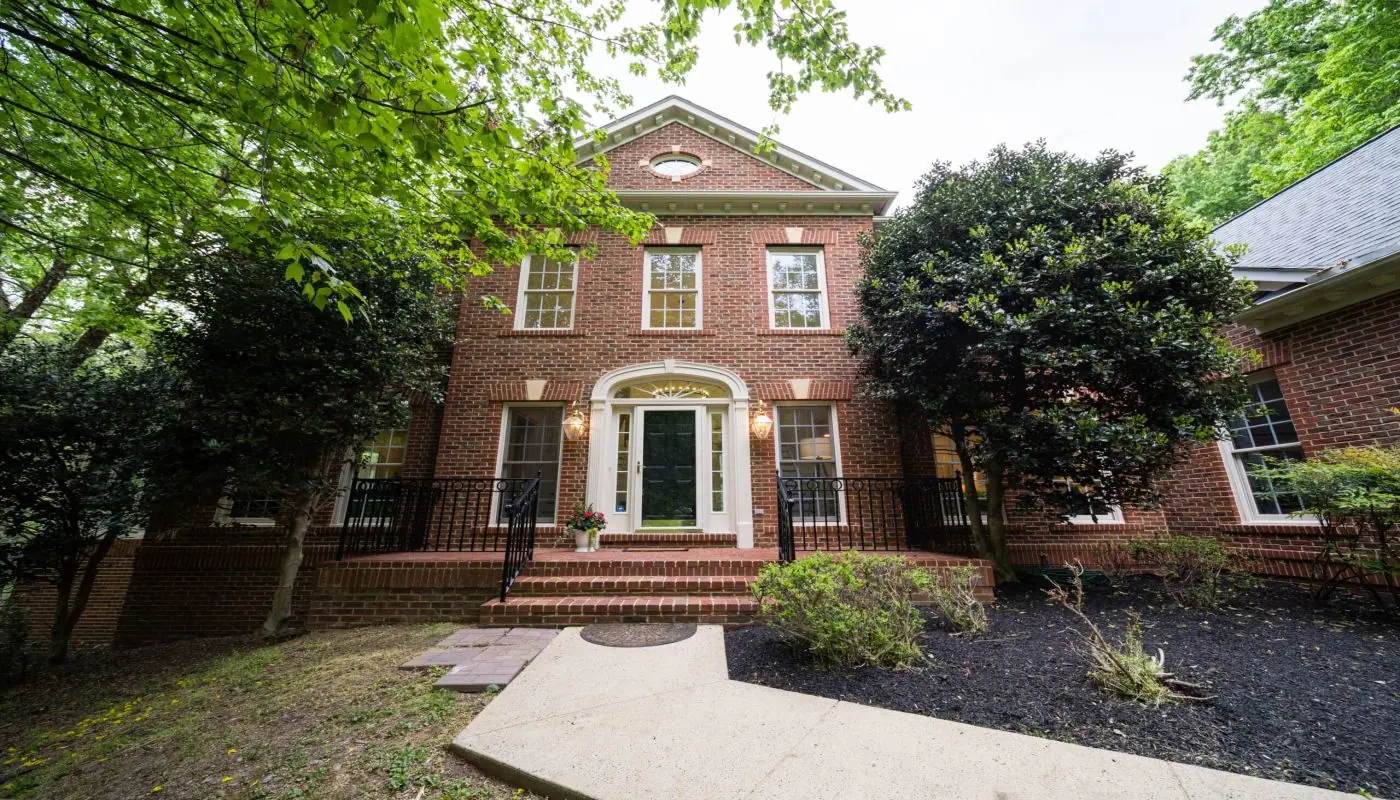
AMFM Mental Health Treatment
Typical stay 60 days6-15 beds
AMFM Mental Health Treatment is a residential mental health program located in Great Falls, Virginia.
- Co-Occurring Mental Health
- Residential Rehab
Joint Commission View center

Good to know
What is AMFM Mental Health Treatment Fairfax Station known for?
This Joint Commission-accredited residential mental health program is located in Fairfax Station, Virginia, and has operated since 2011 with 6-15 beds. Treatment focuses on primary mental health conditions and co-occurring concerns, offering roughly 60 hours of clinical programming each week. Therapeutic approaches include cognitive behavioral therapy, acceptance and commitment therapy, art therapy and equine therapy, plus medication management and family involvement. Callers can use the helpline to check availability and coverage without paying anything.
How long do people typically stay at this center?
Most people stay roughly 60 days, though the real length depends on clinical need and how someone progresses. Space is limited since the house has 6-15 beds, so ask about current openings early on. Should your circumstances shift during treatment, the team can revise the plan and talk through next steps, including outpatient care once residential treatment finishes. Calling the helpline can confirm what availability looks like this month.
Does Medicaid cover treatment at AMFM in Fairfax Station?
This page does not establish whether Medicaid or commercial insurance is accepted at this center. Cash prices appear as a self pay option, so speak with the center directly about your plan before admission. If cost worries you, the helpline can help you weigh alternatives; that call is private, free and requires no commitment. Verify your benefits by phone before setting a start date.
Is this program a good fit for someone with depression and anxiety?
Possibly. The center treats anxiety, depression, trauma, OCD, grief and loss, perinatal mental health needs and schizophrenia, and it also handles dual diagnosis care. A full evaluation at intake determines fit and level of care. If the residential setting is not right, then the team or helpline can point to outpatient alternatives in Virginia. Virginia has 247 SAMHSA-listed facilities, so choices exist.
Where can I find free mental health services in Virginia?
Free helpline support is available at any hour, and calling costs nothing. This site does not provide diagnosis or treatment to anyone; through trained advisors, it connects callers with licensed providers. To compare residential and outpatient options in Virginia, start with a phone call and ask which levels of care your plan covers. Nobody will push you to enroll.
What is a residential rehabilitation program?
In a residential rehabilitation program, people stay on site and take part in an organized clinical schedule. At this center that involves roughly 60 hours of programming per week, psychiatric visits once a week, individual therapy two times weekly, family therapy each week, and case management, all within a home of 6-15 beds. When withdrawal requires daily medical monitoring, a detox setting is the safer place to begin.