Bridging the Gaps Winchester
Bridging the Gaps Winchester offers Virginia rehab care in a structured, small setting. The center lists 16 to 30 beds and a typical stay of 120 days. It serves men, women and young adults in Winchester.
Co-Occurring Mental HealthResidential RehabOutpatient120 Days
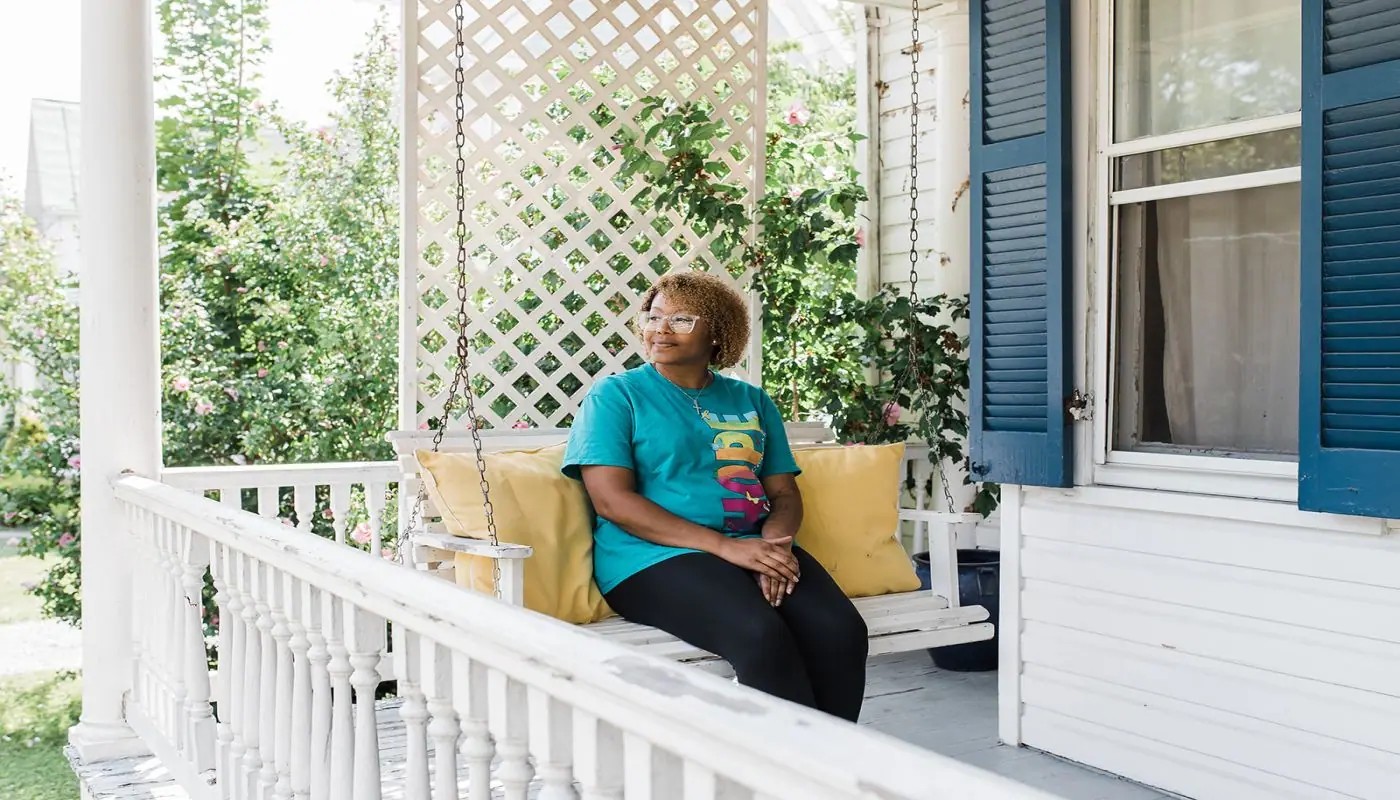
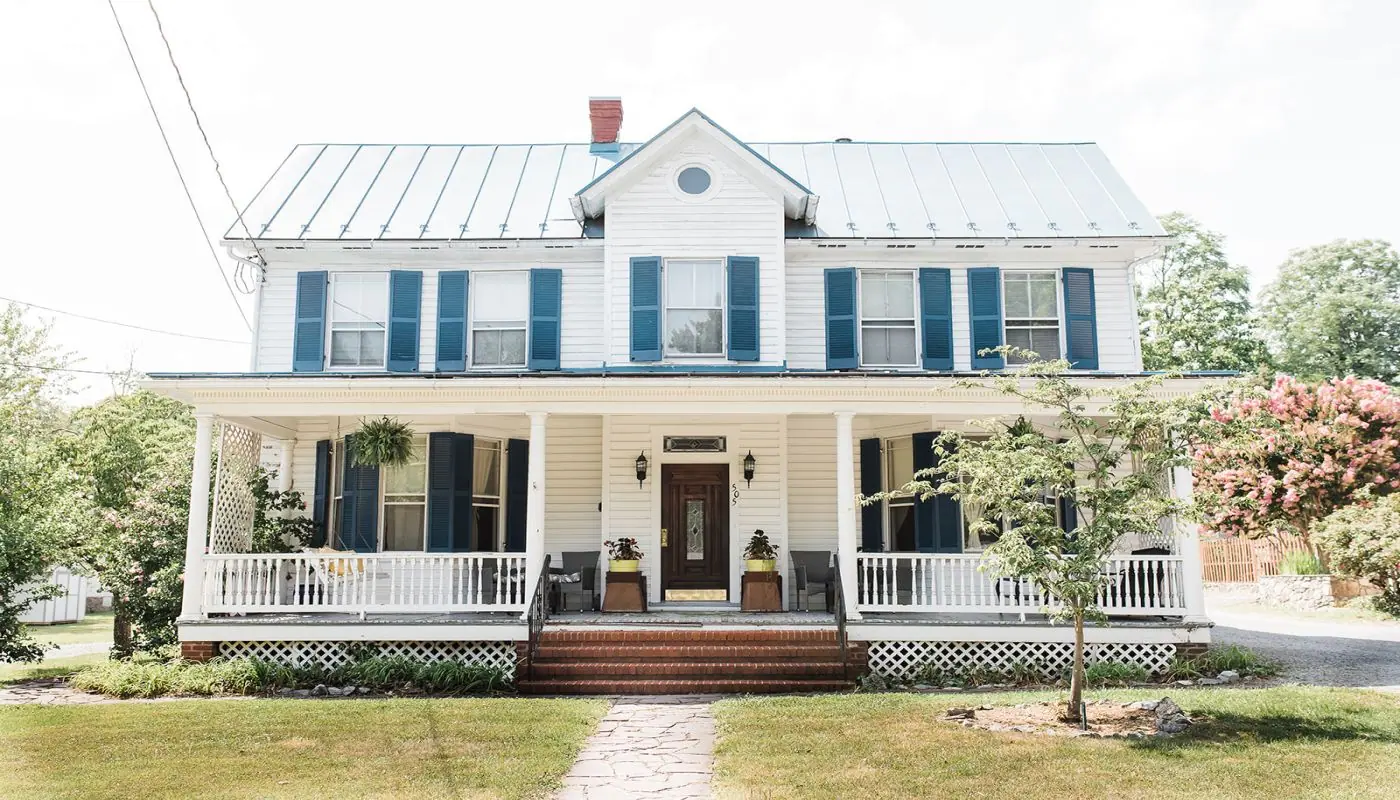
This center in Winchester builds each person's plan around their own history instead of one fixed track. Care combines research-based counseling approaches with experiential and spiritual elements, and the team adjusts the mix as someone's needs change during treatment. People arrive with drug or alcohol concerns and often with dual diagnosis care, and the program is arranged to address both at once. As one of the smaller Virginia rehab centers, it offers closer attention and steadier structure than large campuses provide.
The setting is deliberately small. With fewer beds than most facilities in Virginia, the center can offer closer attention, steadier structure and more direct accountability than a large campus allows. Staff work to build trust at a pace each person can manage. The center sits in Winchester and draws from the surrounding region. If someone needs both substance use and mental health care, then a single co-occurring plan avoids splitting treatment between two providers.
Clinicians deliver substance use treatment and care for dual diagnosis care together in one plan, so the two are not handled in separate silos. The center describes its work as personalized and compassionate, aimed at lasting change rather than a quick stay.
Bridging the Gaps Winchester
Residential rehab gives people a structured place to live while they address substance use and mental health together. Outpatient care, including an intensive outpatient program combined with a partial hospitalization program, lets someone keep a home base while attending scheduled treatment. Dual diagnosis care runs alongside both. When someone steps down from residential care, then outpatient programs in Virginia can keep support going without a full discharge.
Therapy options include individual counseling, group therapy and family therapy, with twelve step facilitation available for people who want it. The center also lists acupuncture, art therapy, experiential therapy, EMDR and life skills work. Residential and outpatient Virginia programs listed by SAMHSA total 247 statewide, and this Winchester center is among them.
- Family Therapy
- Art Therapy
- 1-on-1 Counseling
- Twelve Step Facilitation
- Life Skills
- Spiritual Emphasis
- Individual Treatment
- Experiential Therapy
- Evidence-Based
- Twelve Step
The people this Virginia program helps
- Men, women and young adults seeking treatment for drug or alcohol use
- People with co-occurring depression, post traumatic stress disorder or trauma
- Those working through benzodiazepine dependence, heroin, cocaine, methamphetamine or prescription drug use
- Individuals who have relapsed before and want a structured restart
- People who want a smaller program with more individual attention
Program length, size and daily setting
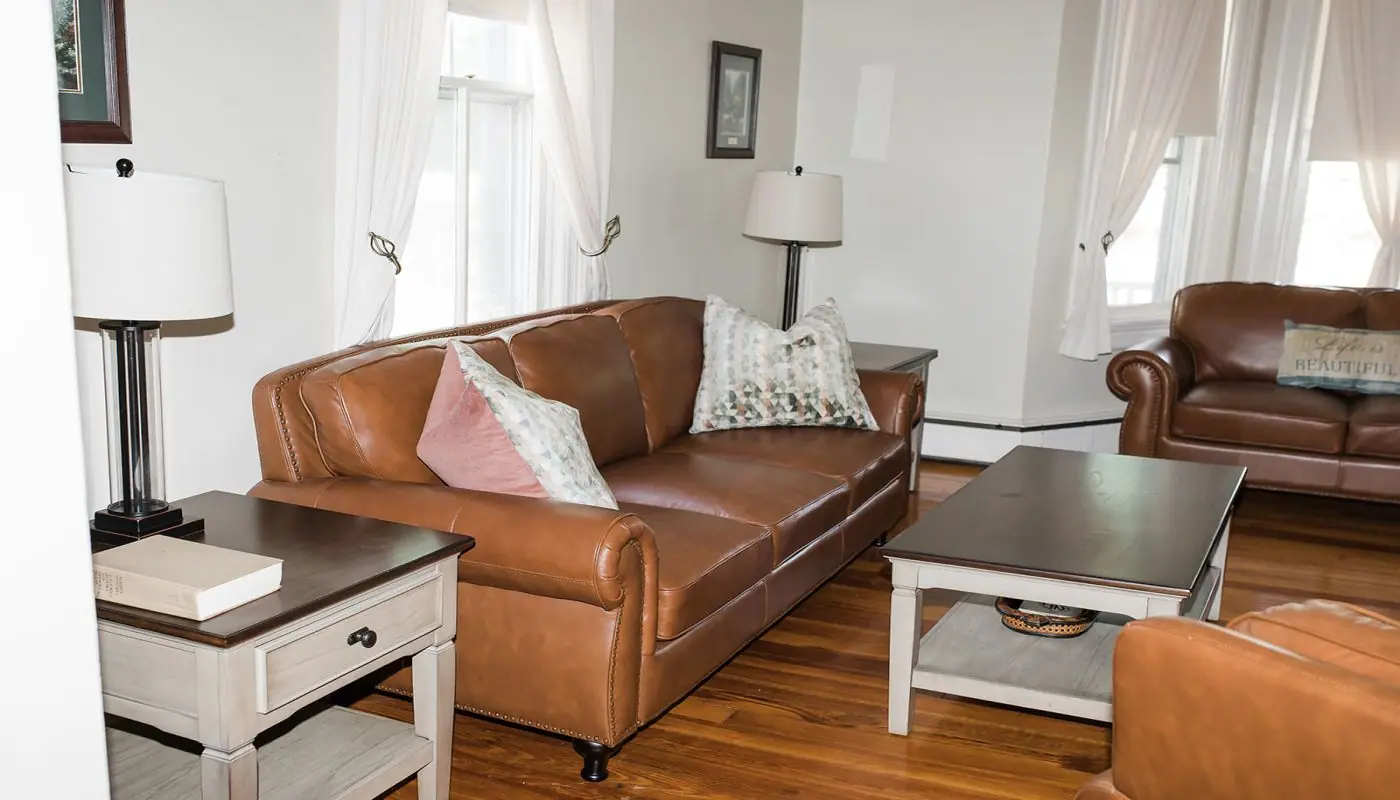
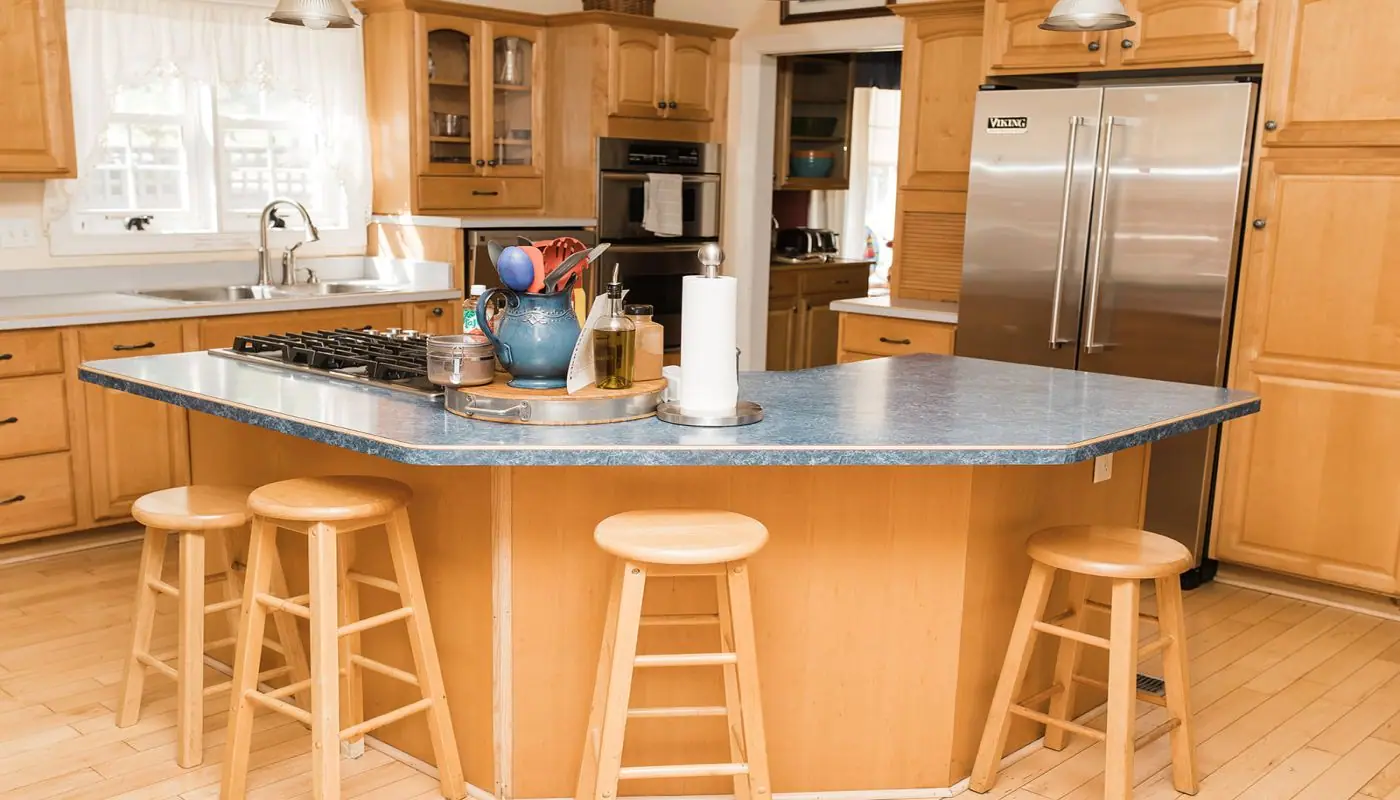
The center describes a typical program length of 120 days, with 16 to 30 beds, so residents share space rather than sit on a large campus. If a 120-day stay feels long, then ask how the plan is reviewed, because a smaller facility can adjust structure as needs change. Rooms are climate controlled and can be private or shared. Amenities include internet access, a library, an walking trails an outdoor lounge and access to nature, with adventure outings, massage, physical fitness and a ropes course among the activities. Services are offered in English.
- Outdoor Lounge
- Library
- Access to Nature
- Internet
- Walking Trails
Paying for care at Bridging the Gaps
The facility notes self pay pricing as a possibility. Insurance is not listed in the facility data, so cost is something to confirm directly before anyone commits. When you call the free helpline, staff can help you check whether Virginia Medicaid or a private plan covers residential or outpatient care here and what documentation the center wants. No one is promised admission or coverage in advance.
Questions to ask before admission
- Will my insurance or Virginia Medicaid pay for residential care here, and what will I owe?
- How is the 120-day length decided for each person, and can it change?
- How are co-occurring depression, trauma or PTSD treated alongside substance use?
- How is a typical week structured across counseling, groups and activities?
- Which licensing and accreditation bodies currently oversee this program?

Compare with other centers
-
RichmondVA
Freedom Recovery Centers
4.7/570 Google reviews
Typical stay 90 days
Freedom Recovery Centers is a detox and residential program on Gateway Centre Parkway in Richmond.
- Residential Rehab
- Detox
-
WestVA
Burlington United Methodist Fam Servs
Typical stay 30 days
Burlington United Methodist Fam Servs West is a residential program for young people in West, Virginia.
- Co-Occurring Mental Health
- Residential Rehab
-
ArlingtonVA
National Capital Treatment & Recovery
3.5/522 Google reviews
Typical stay 30 days
On Columbia Pike, National Capital Treatment & Recovery Arlington operates a residential program.
- Co-Occurring Mental Health
- Residential Rehab
- Detox
-

RichmondVA
Sobright Recovery
Typical stay 30+ days
Located in Richmond, Virginia, Sobright Recovery Richmond is an outpatient center for addiction treatment.
- Outpatient
Joint Commission View center
-
ChantillyVA
Fairfax/Falls Church Comm Servs Board
5.0/515 Google reviews
Typical stay 30 days
Fairfax/Falls Church Comm Servs Board Chantilly is a public behavioral health site on Walney Road.
- Co-Occurring Mental Health
- Residential Rehab
- Detox
-
Great FallsVA
AMFM Mental Health Treatment
Typical stay 60 days6-15 beds
AMFM Mental Health Treatment is a residential mental health program located in Great Falls, Virginia.
- Co-Occurring Mental Health
- Residential Rehab
Joint Commission View center


Good to know
What should I know about Bridging the Gaps Winchester before I call?
Located in Winchester, Virginia, this small center has 16 to 30 beds listed and a usual program length of 120 days. Residential rehab, outpatient services and treatment for dual diagnosis care are part of the care, along with therapies like individual counseling, family therapy and EMDR. Cash pay rates appear on the listing; call first to verify insurance and availability.
Does the VA have an inpatient rehab facility in Virginia?
Yes. Virginia lists 247 facilities on SAMHSA FindTreatment.gov, and many provide residential or inpatient care. Bridging the Gaps in Winchester offers residential rehab among its care options. Veterans can ask the helpline about VA benefits and about which listed Virginia programs accept them, then confirm bed availability with each center directly.
At this center, how long does rehab usually last for people?
The facility lists a typical program length of 120 days. That is longer than many short-term stays, which suits people who want time to work on co-occurring conditions such as trauma or depression alongside substance use. Individual plans vary, so ask the center how length is set and reviewed for your situation.
Will Virginia Medicaid pay for treatment here?
The facility data does not include Medicaid coverage, so it must be verified rather than presumed. The helpline can guide you on what to ask the center and your plan regarding residential and outpatient coverage. No promises are made upfront, and calling commits you to nothing; it is just a way to obtain clear answers.
What should I expect if I require detox from alcohol or benzodiazepines?
Alcohol or benzodiazepine withdrawal can be medically risky, and a doctor or nurse should oversee it instead of someone quitting alone at home. The center's listing does not mention on-site detox, so ask directly if it offers withdrawal management or refers to another place. If not, the helpline can help you locate a Virginia program that does before admission.