Harbor Point Behavioral Health Center Portsmouth
At Harbor Point Behavioral Health Center Portsmouth, adolescents are served in a residential program. Among the 247 Virginia facilities that SAMHSA lists, this center is one. To check availability and coverage, families may call the helpline.
Co-Occurring Mental HealthResidential Rehab30 days
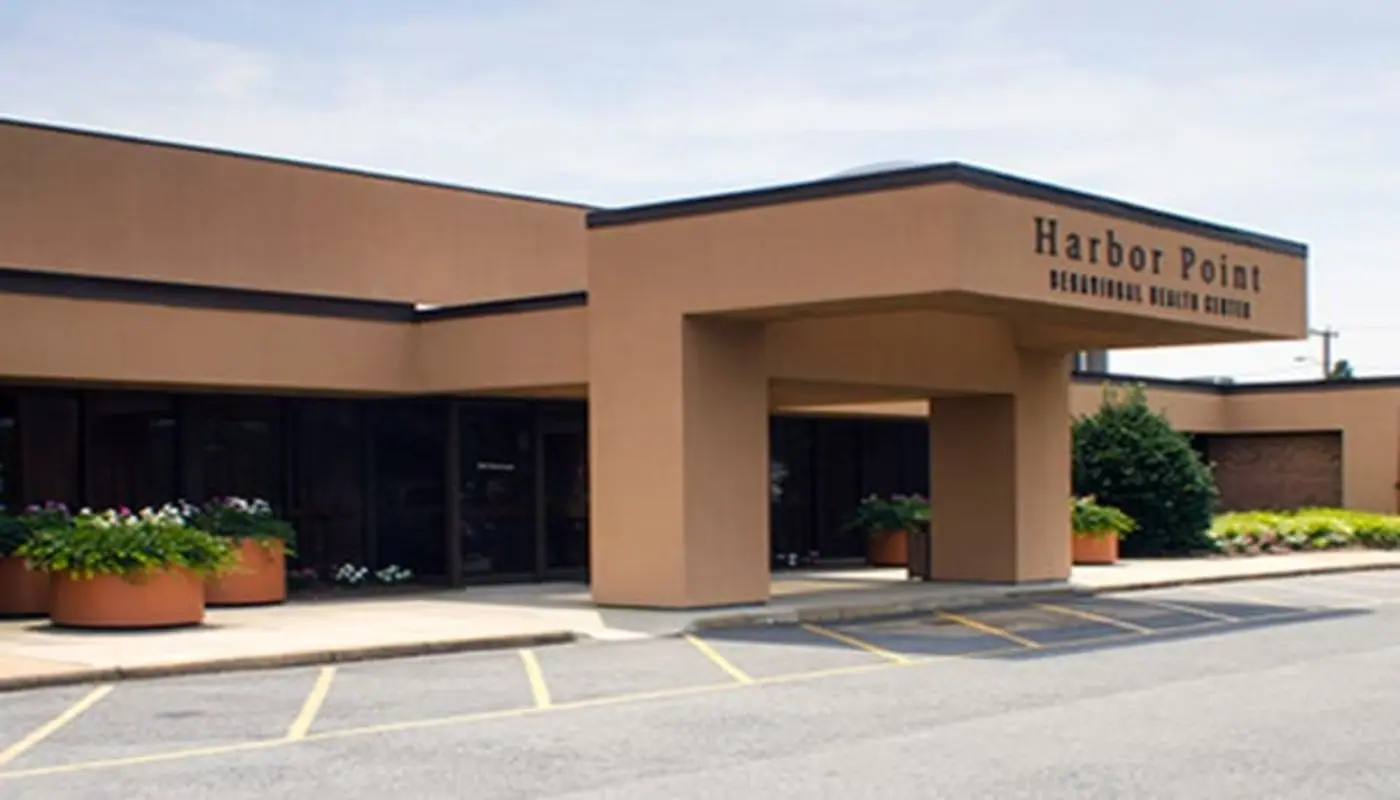
Harbor Point Behavioral Health Center is a residential treatment setting in Portsmouth built around adolescents ages 11 to 17 who are working through emotional, behavioral or psychiatric difficulties. Days follow a structured schedule with nursing staff on hand around the clock, meals provided, and schoolwork built into the week so a young person does not fall behind while in care.
The clinical work rests on a trauma-informed foundation. Young people are grouped by gender, and there are separate tracks for trauma, self-injury and sexually reactive behavior. Each resident gets an individualized plan that combines one-on-one sessions, group work and family therapy, and the team treats mental health conditions alongside substance use concerns rather than one at a time.
Recreation and creative work are part of the program rather than an afterthought. Art and music projects, yoga, Zumba, fitness sessions and time on the climbing wall give residents ways to practice coping skills and build confidence. Outings off campus, including museum trips and campus tours, add real-world experience to the weekly routine.
Harbor Point Behavioral Health Center
The primary service is residential rehab for teens, listed through SAMHSA as a residential program with dual diagnosis care. Therapy formats include cognitive behavioral therapy, motivational interviewing, family therapy, group therapy, trauma-specific work, psychoeducation, nutrition counseling and stress management. The approach is described as evidence-based, with family involvement and gender-specific groups. Families comparing Virginia rehab and addiction treatment options should ask which level of care fits the teen.
According to the listing, typical stays last about 30 days, and the center's own description mentions longer residential stays along with a diagnostic period before treatment planning. Following discharge, the team arranges continued outpatient treatment and follow-up counseling for families. Anyone considering residential care versus outpatient options should ask which level of care the clinical team recommends for a particular adolescent.
- Family Involvement
- 1-on-1 Counseling
- Family Therapy
- Gender-Specific
- Psychoeducation
- Motivational Interviewing and Enhancement Therapy (MET)
- Cognitive Behavioral Therapy
- Nutrition Counseling
- Group Therapy
- Trauma-Specific Therapy
Who this program is meant to help
- Teens between 11 and 17 who face emotional, behavioral or psychiatric difficulties
- Boys and girls in separate, gender-specific therapeutic groups
- Young people with mild disabilities or neurodivergent needs
- Teens facing anxiety, depression, bipolar disorder, grief, trauma, PTSD or suicidality
- Teens facing substance use issues and mental health challenges together
- Youth who need a structured school day alongside clinical care
Where you stay, how long, daily life
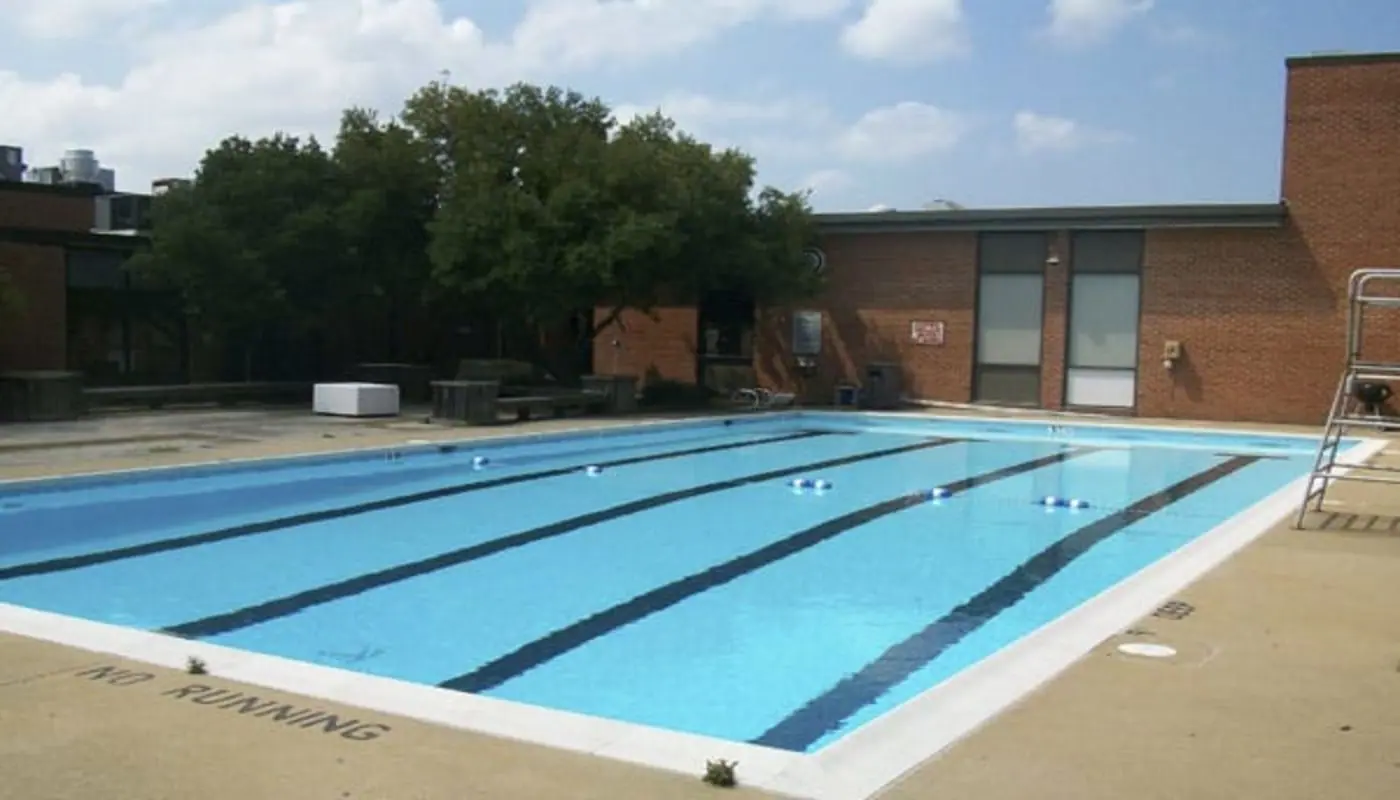
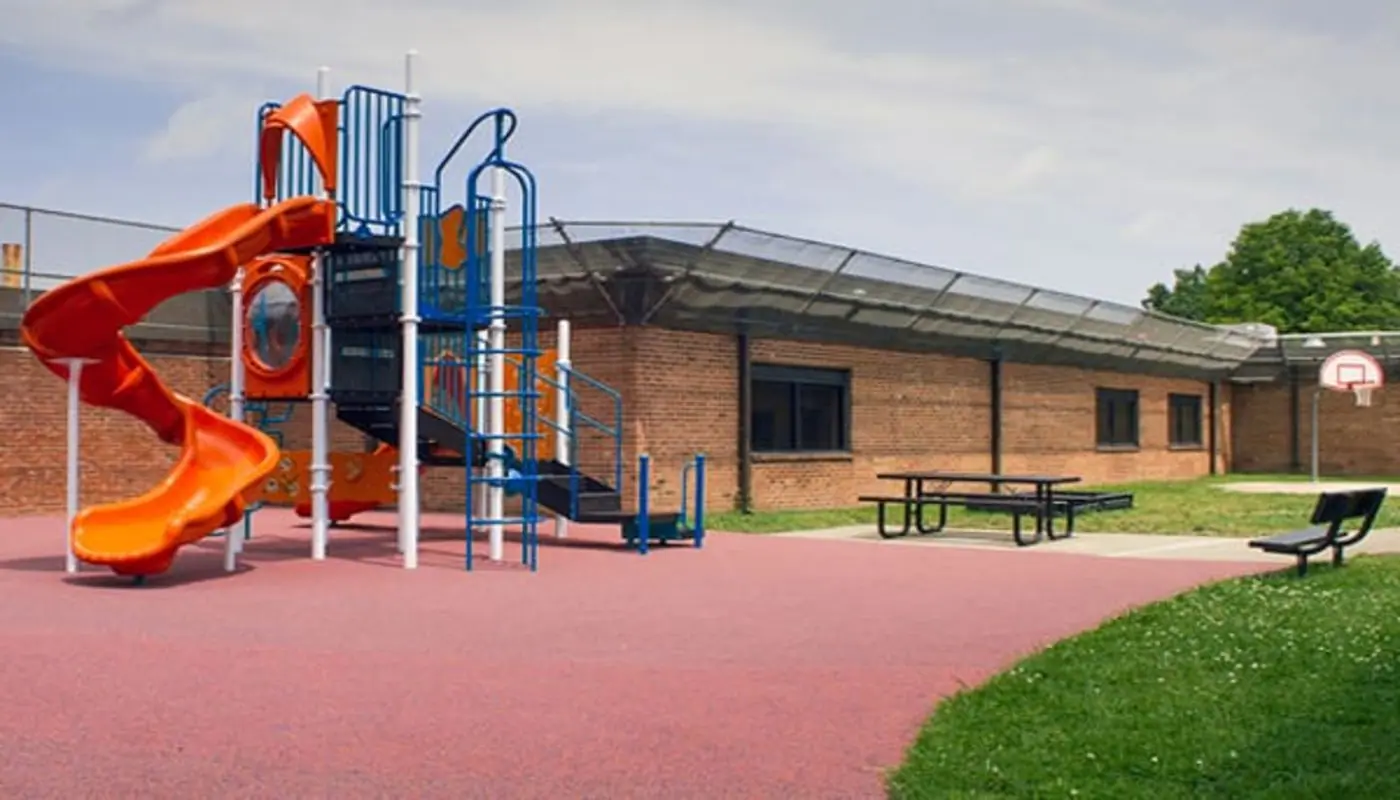
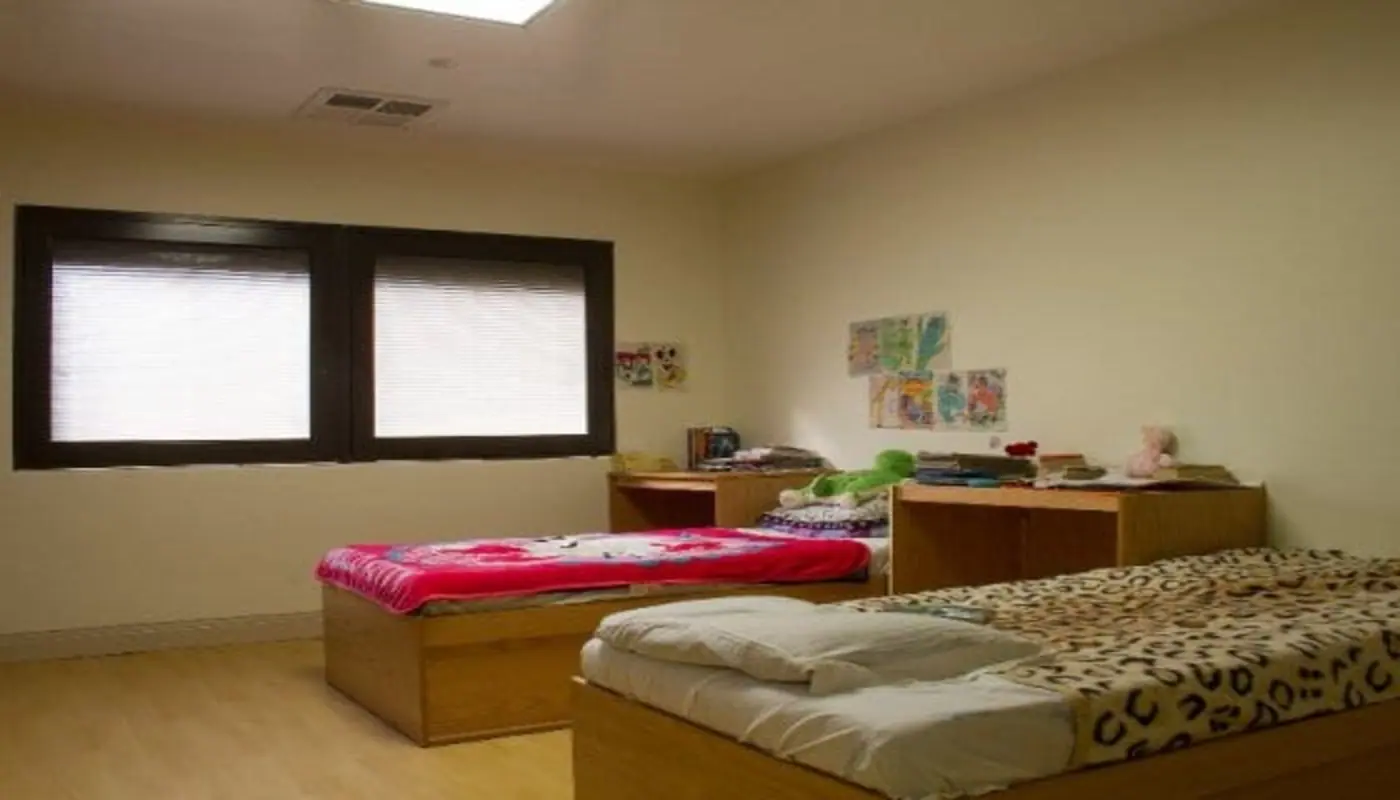
On the grounds at 301 Fort Lane you will find an operating school, garden areas, a swimming pool, a gym, a basketball court, a lounge, and a climbing wall. Sleeping quarters come as private or shared rooms with air conditioning, and each resident gets desk space and somewhere to sit. Services are delivered in English. SAMHSA lists a typical stay of 30 days, but the center itself describes extended residential care that begins with a diagnostic period, so ask the center to confirm the expected timeline before admission.
- Pool
- Lounge
- Gardens
- Fitness Center
- Rock Climbing Wall
- Basketball Court
- Snacks
Paying for care at Harbor Point
Per its description, the center publishes cash pay rates and takes TRICARE, Medicaid, and Medicare, and it mentions extra resources for relatives of military service members. Plan details shift over time, so call the center to confirm benefits before you set a start date. Should a plan not cover residential care, ask what other levels of care exist or which other Virginia facilities could fit what the family can spend.
Questions to ask before admission
- Which level of care does the clinical team recommend, and why would residential care be a better fit than outpatient in this case?
- How long does the center expect this adolescent to stay, including any diagnostic period?
- Will my plan pay for residential rehab at this center, and how much would we owe?
- How often are family therapy sessions scheduled, and what does family follow-up look like after discharge?
- How does the school program transfer credits, and what support continues after the teen goes home?

Compare with other centers
-
RichmondVA
Freedom Recovery Centers
4.7/570 Google reviews
Typical stay 90 days
Freedom Recovery Centers is a detox and residential program on Gateway Centre Parkway in Richmond.
- Residential Rehab
- Detox
-
WestVA
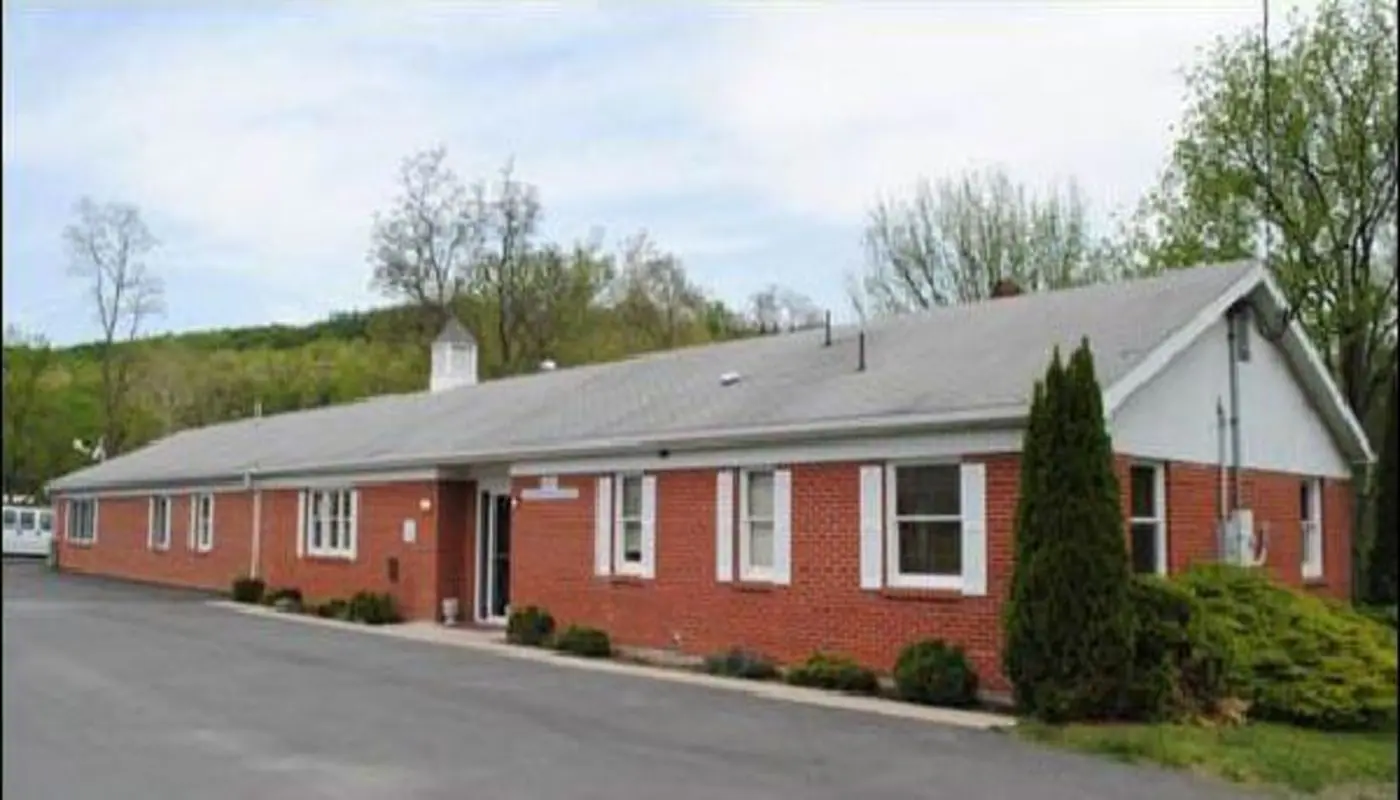
Burlington United Methodist Fam Servs
Typical stay 30 days
Burlington United Methodist Fam Servs West is a residential program for young people in West, Virginia.
- Co-Occurring Mental Health
- Residential Rehab
-
ArlingtonVA
National Capital Treatment & Recovery
3.5/522 Google reviews
Typical stay 30 days
On Columbia Pike, National Capital Treatment & Recovery Arlington operates a residential program.
- Co-Occurring Mental Health
- Residential Rehab
- Detox
-

RichmondVA
Sobright Recovery
Typical stay 30+ days
Located in Richmond, Virginia, Sobright Recovery Richmond is an outpatient center for addiction treatment.
- Outpatient
Joint Commission View center
-
ChantillyVA
Fairfax/Falls Church Comm Servs Board
5.0/515 Google reviews
Typical stay 30 days
Fairfax/Falls Church Comm Servs Board Chantilly is a public behavioral health site on Walney Road.
- Co-Occurring Mental Health
- Residential Rehab
- Detox
-
Great FallsVA
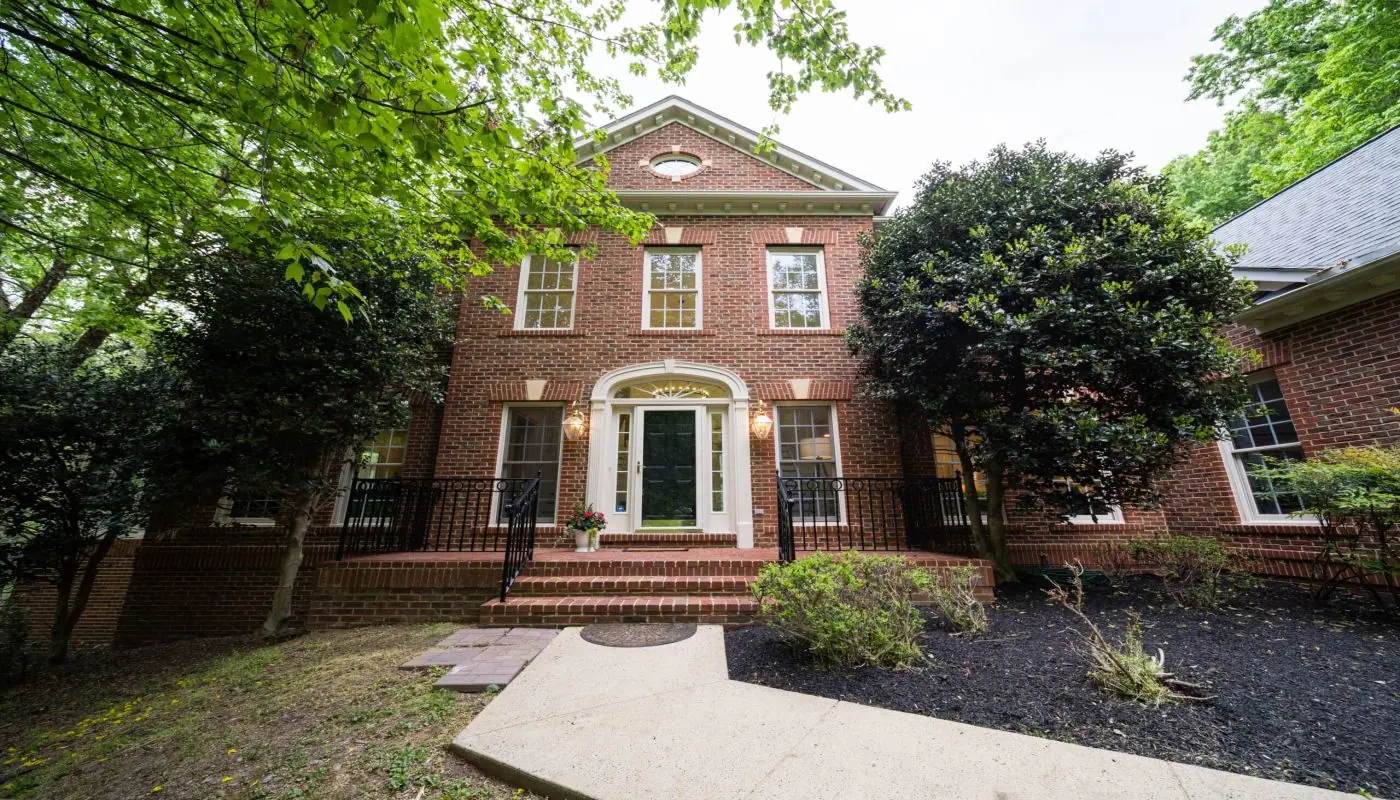
AMFM Mental Health Treatment
Typical stay 60 days6-15 beds
AMFM Mental Health Treatment is a residential mental health program located in Great Falls, Virginia.
- Co-Occurring Mental Health
- Residential Rehab
Joint Commission View center
Good to know
What does Harbor Point Behavioral Health Center Portsmouth treat?
It treats adolescents ages 11 to 17 with emotional, behavioral and psychiatric challenges, including anxiety, depression, bipolar disorder, PTSD, trauma, grief and suicidality, along with co-occurring substance use concerns. Care is residential, with gender-specific groups and separate tracks for trauma, self-injury and sexually reactive behavior. The clinical team combines individual, group and family therapy under a trauma-informed framework.
How long do adolescents typically stay at this Virginia rehab?
SAMHSA's listing gives a typical length of 30 days, whereas the center's description sets out longer residential stays along with a diagnostic period ahead of treatment. Since the two differ, have the clinical team confirm an expected timeline for the particular adolescent prior to admission. Discharge planning and outpatient referrals are built into the process, so the move back home can be lined up beforehand.
Does Medicaid cover residential treatment at this center?
Its description states that the center accepts Medicaid, Medicare, and TRICARE, and that it also posts cash pay rates. Rules for coverage differ by level of care and by plan, so calling to verify benefits is the practical next step. Families can also call the helpline to check openings and find out what information the center needs to confirm coverage before a start date is set.
What if my teen needs detox or withdrawal care first?
What this center lists is residential rehab alongside care for dual diagnosis care, and it does not offer medical detox. When someone drinks heavily or uses benzodiazepines and needs to stop, a physician or nurse should oversee it, since withdrawal from alcohol or from those drugs can turn dangerous. The helpline can tell you about detox options in Virginia and how each one hands off to a residential program.
Where can I find free mental health services in Virginia for adolescents?
Across Virginia, SAMHSA lists 247 facilities, and several of them offer sliding-scale fees or public funding. A helpline call is at no cost and can connect you with licensed providers serving adolescents, including ones that accept Medicaid or offer lower-cost care. Ask plainly about adolescent services and current openings, since availability changes frequently.